How Vizualy works
The five Vizualy templates, and which to pick
Updated 6 min readBy the Vizualy Studio teamView as Markdown
TL;DR
- Vizualy builds every video from one of five templates: Product promo, Explainer reel, Product tip, Luxury story or Big-idea story.
- A Vizualy template is a motion system that the production engine builds from and an editor adapts to the client's logo, colours and words, not a preset you edit yourself.
- Every paid Standard video runs 10 to 25 seconds in any template, at $149 (launch price, normally $299).
- YouTube Shorts can run up to three minutes, so the 10 to 25 second range is a choice of format, not a platform limit.
- Pick by the single job the video has to do: sell a product, explain an idea, teach one tip, set a mood or land one message.
On this page
- What is a Vizualy template?
- Which of the five templates should you pick?
- What does each template do?
- How do you decide in three questions?
- Does 10 to 25 seconds suit the platforms?
- What do you need to send, whichever template you pick?
- What are the templates not for?
- How do the templates work across a month of content?
- The short version
Vizualy has five motion graphics video templates: Product promo, Explainer reel, Product tip, Luxury story and Big-idea story. Each is built for one job, and every paid Standard video runs 10 to 25 seconds in any of them. Pick the template that matches the one thing the video must do.
What is a Vizualy template?
A Vizualy template is a motion system: a set of layouts, type animation and transitions designed for one kind of message. It is not a drag-and-drop preset you open and edit. Nobody at the agency logs in. Watch all five moving, side by side, in the AI video library.
Vizualy's AI production engine builds the video from the template's motion system, your client's brand kit and the copy you supply. An editor then adjusts timing, pacing and emphasis. The result is built as designed, editable scenes, not generated stock footage. The full sequence is in our guide to the Vizualy pipeline, and the overview sits in how Vizualy works.
Which of the five templates should you pick?
Pick the template by the job, not by the look. The table below gives each template's purpose and the platforms we would try it on first. The platform column is our own editorial suggestion, not a rule, and every template can run anywhere because paid files come in 9:16, 1:1 and 16:9.
| Template | Best for | Length (paid Standard video) | Try first on | Example brief line (fictional) |
|---|---|---|---|---|
| Product promo | Showing one product or offer and what to do next | 10–25 s | Reels, Stories, paid social | "Introduce the Ridge travel mug, with free engraving this month" |
| Explainer reel | Explaining one idea or process in a few steps | 10–25 s | Reels, Shorts, LinkedIn | "Show how our dental cleanings are booked in three steps" |
| Product tip | Teaching one useful thing about a product | 10–25 s | Reels, Shorts, TikTok | "One tip: rinse the French press before you brew" |
| Luxury story | Setting a premium mood for a high-end brand | 10–25 s | Instagram feed, Stories, site | "Introduce Marlow Atelier's autumn collection, calm and premium" |
| Big-idea story | Landing one bold message or brand idea | 10–25 s | LinkedIn, Reels, site | "Our idea: every loaf is baked for the neighbourhood it is sold in" |
All the brands in the table are fictional. The length column is the same on every row because a Standard video is 10 to 25 seconds in any template.
What does each template do?
The five templates differ in purpose, not in price. Here is each one in a few sentences.
Product promo
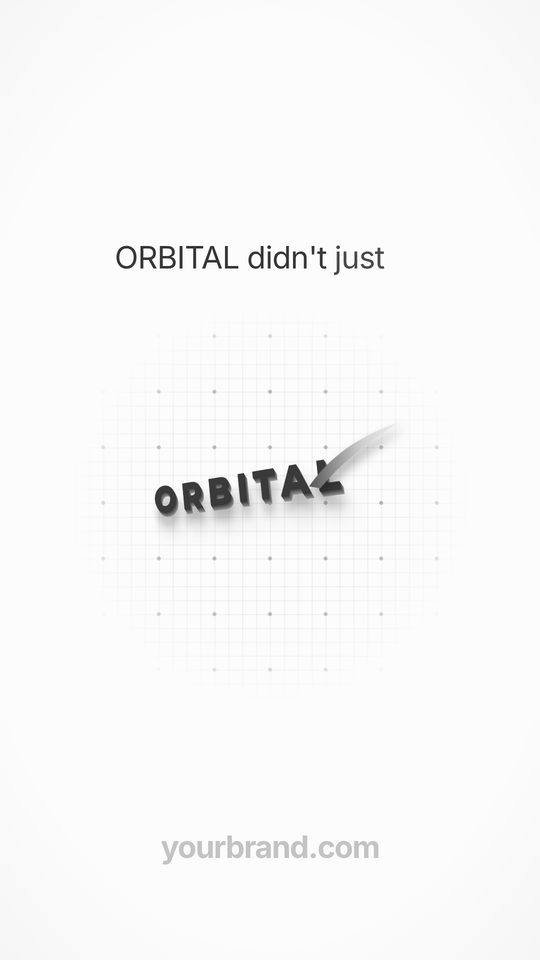
Product promo is for promoting a product or an offer. Use it for launches, sales and seasonal offers, where the point of the video is to get the product noticed.
Explainer reel
Explainer reel is for explaining one idea or one process. It suits services that people do not understand at a glance, such as how a booking, a plan or a method works. It is a short-form format at 10 to 25 seconds, so it is not a long scripted explainer. For those, see our explainer video guide.
Product tip
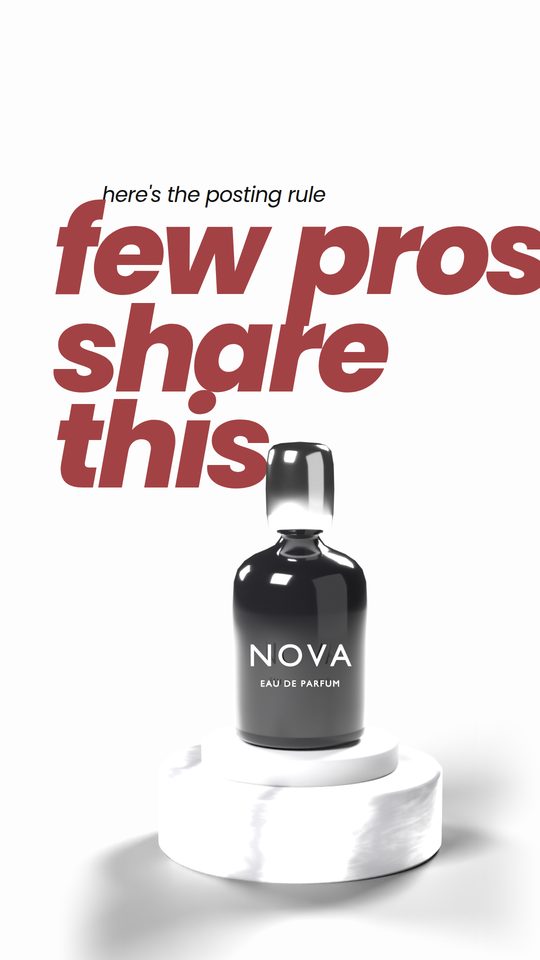
Product tip is for a single piece of useful advice tied to a product or service. It teaches instead of selling, so it suits clients who want to be helpful before they ask for the sale.
Luxury story
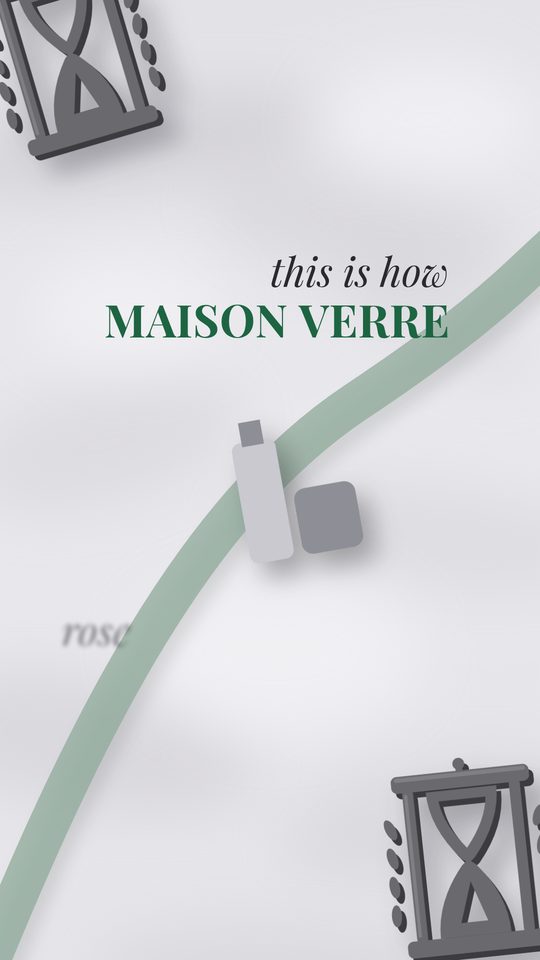
Luxury story is for premium brands, where mood carries the message. Use it when the brand sells on taste, craft or exclusivity and a hard sell would undercut that.
Big-idea story
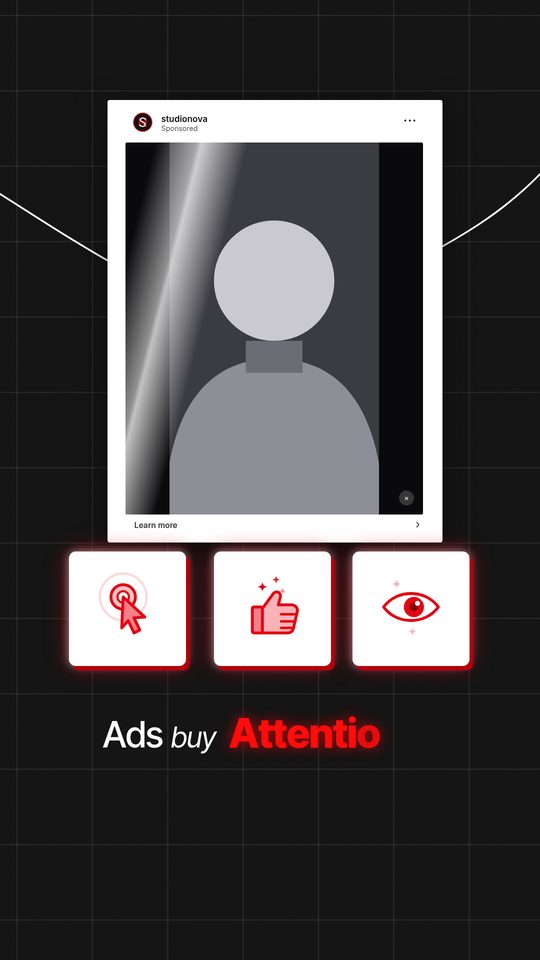
Big-idea story is for landing one bold message or the idea behind a brand. Use it for brand positioning, campaign themes and announcements.
How do you decide in three questions?
Answer these in order and stop at the first yes.
- Is there a product or offer to sell right now? If yes, choose Product promo.
- Is the aim to teach? If the video explains a process or idea in steps, choose Explainer reel. If it passes on one useful tip, choose Product tip.
- Is the aim to set a mood or state an idea? If the brand sells on taste and restraint, choose Luxury story. If one bold sentence has to land, choose Big-idea story.
If two answers fit, order two videos and keep each to one job. A video that tries to sell, teach and set a mood in 25 seconds does none of them well.
Tip: Write the viewer's next action in one line before you choose. If the line is "buy", pick Product promo. If it is "remember us", pick Luxury story or Big-idea story.
Does 10 to 25 seconds suit the platforms?
Yes, because all the main short-form placements accept it. YouTube says Shorts can be up to three minutes long, and square or vertical videos can be classified as Shorts, as of November 2026. Meta's Reels ad specs allow ads from 0 seconds to 15 minutes.
Those are limits, not targets. LinkedIn's video ad tips report that videos of 7 to 15 seconds are more likely to be watched to completion, and suggest testing longer lengths for demand generation. Our short-form video length guide goes through each platform.
What do you need to send, whichever template you pick?
The same brief for every template: the template name, the logo, brand colours, the on-screen words and where to reply. It takes about two minutes and needs no call. Our guide to what to send Vizualy has the checklist and a filled example.
Keep the copy short. A 10 to 25 second video holds a handful of lines, so write the words for the screen, not for a page. Our social media video brief template helps you cut a message down.
For the styles behind the templates, see our overview of the types of motion graphics. Prices are on the Vizualy pricing page.
What are the templates not for?
They are not for long scripted explainers, voiceover-led pieces or custom character animation. Vizualy does not offer those. If a client needs one of them, a freelancer or a full studio is the right fit, and our comparison of freelancers, studios and subscriptions can help you choose.
How do the templates work across a month of content?
A retainer month is easier to plan when you give each video one job. A fictional local gym might run one Product promo for a new class pass, one Product tip on warming up, one Explainer reel on how booking works, and one Big-idea story on the gym's reason for existing. That is four videos, four jobs and four templates.
The retainer covers 10 videos a month at $599, and you can mix templates freely. Mixing also helps the feed: four videos in the same template can read as repetition, while four videos in four templates still share one brand because the logo, colours and type are the same.
The brand kit carries across templates, so the logo, colours and type stay the same. The pricing explained page covers the per-video and retainer maths.
The short version
- Five templates: Product promo, Explainer reel, Product tip, Luxury story and Big-idea story.
- Each is a motion system adapted by a human editor to your client's brand, not a preset you edit.
- Pick by the one job the video has to do; ask the three questions above if two seem to fit.
- Every Standard video is 10 to 25 seconds at $149 (launch price, normally $299), in any template, delivered in 9:16, 1:1 and 16:9.
AI-powered super editors
Branded motion videos
$149per video
or $599 a month for 10
AI builds it fast; human editors own the brand and finish. White-label, full rights, every format.
Browse the AI video libraryFrequently asked questions
Can I edit a Vizualy template myself?
No. Vizualy is a production service, not software you log into. You choose a template and send the brief, and the production engine and a human editor build the video in your client's brand. You review a cut and send notes, and an editor makes the changes.
Can I use more than one template in a single video?
Each video is built from one template. If a campaign needs two jobs done, such as a product promo and a product tip, order two videos. On the retainer, that is two of the ten videos in the month.
Do the five templates cost different amounts?
No. A Standard video costs $149 in any template (launch price, normally $299), and runs 10 to 25 seconds. The retainer is $599 a month for 10 videos, and you can mix templates freely.
What if I am not sure which template fits?
Say so in the brief. Name the goal, the platform and the audience, and the producer who reviews your brief can suggest a template. You can also use the three questions on this page to narrow it down before you send anything.
Are the templates available in all three aspect ratios?
Paid files come in 9:16, 1:1 and 16:9 at 1080p, whichever template you choose. You pick the template for the job and receive all three ratios for the places the video will run.
Sources
- Shorts length and aspect ratio · YouTube Help
- Video ads guide: Instagram Reels · Meta
- Video ad tips · LinkedIn
Keep reading