Motion graphics · Complete guide
What are motion graphics? The marketer's guide
Updated 11 min readBy the Vizualy Studio teamView as Markdown
TL;DR
- Motion graphics are animated graphic design: type, shapes, icons and logos moving on screen, usually without actors, and usually to explain, announce or brand something.
- They suit jobs where footage is missing or too slow: explaining an idea, showing data, adding a brand sign-off, or carrying a message on a muted social feed.
- Price follows length, style, revisions and the buying model; the sourced bands run from a few hundred dollars for a logo animation to thousands per finished minute from studios.
- AI tools now draft storyboards, clips and code-driven animation, but a person still owns brand fidelity, timing and type, and prompts alone do not create copyright.
- Use the decision table in this guide to pick between static, motion graphics, live action or a hybrid before you spend anything.
On this page
- What are motion graphics?
- How are motion graphics different from animation?
- What are motion graphics used for in marketing?
- What are examples of motion graphics videos?
- What are motion graphics good at, and where do they fall short?
- Does this project need motion graphics?
- How long should a motion graphics video be?
- How much do motion graphics cost?
- How are motion graphics made, and how long does it take?
- Can AI make motion graphics?
- Who should make your motion graphics?
- The short version
Motion graphics are animated graphic design: text, shapes, icons, charts and logos set in motion, usually to explain, announce or brand something. They are not live-action footage and, in most definitions, not character-driven storytelling. For a marketer, they are the fastest way to turn a message into a video when you have no footage to shoot.
What are motion graphics?
Motion graphics are graphic design that moves. StudioBinder defines them as "animated graphic design" and treats movement as the test: if nothing moves, it is not a motion graphic.
In practice that covers a wide range of things you already see daily:
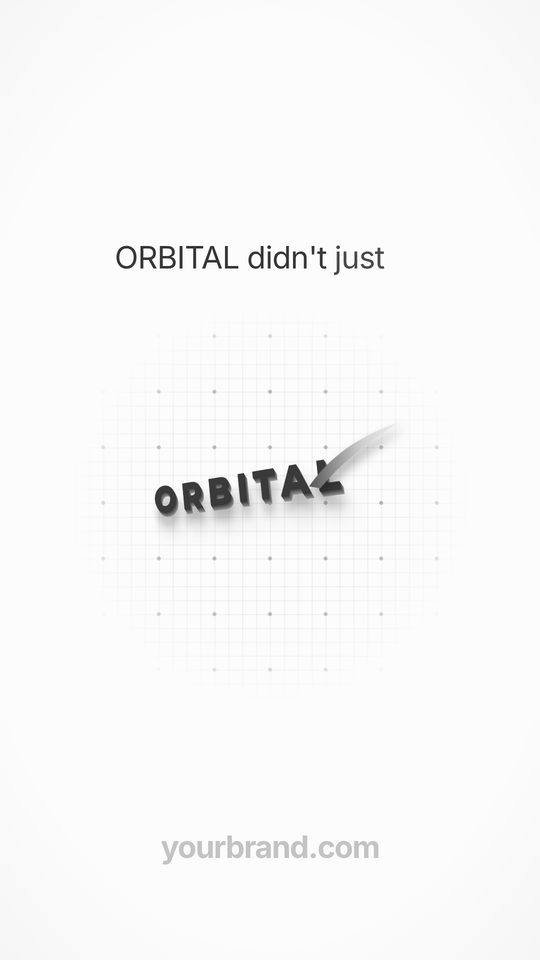
- an animated logo at the start or end of a video
- a headline that slides in over a product shot
- a chart that draws itself while a narrator explains it
- a lower third that names the person on screen
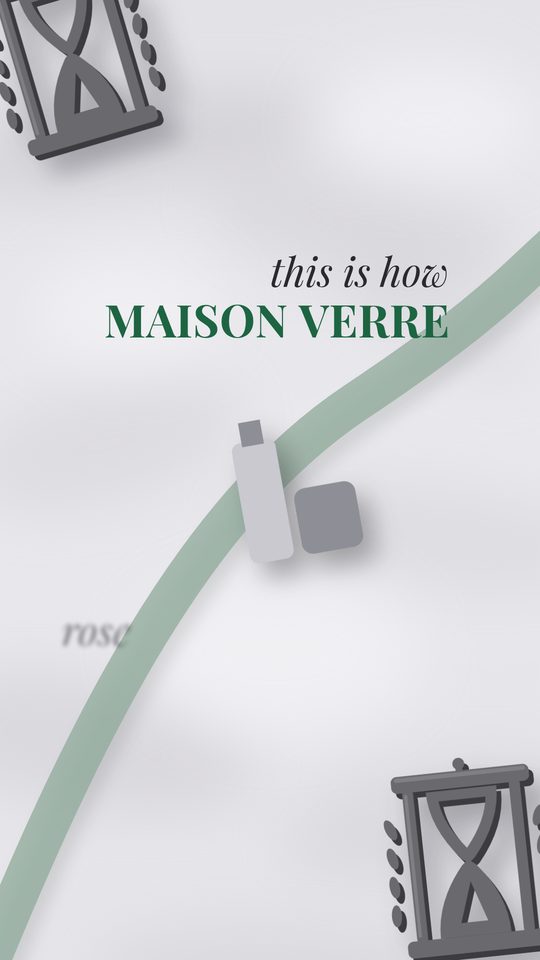
- a 15-second Reel built from type, icons and a product cutout
What these share is that the picture is designed, not filmed. Someone lays out type, colour and shapes, then decides how each element enters, moves and leaves the frame.
What does "motion graphics" not include?
Motion graphics do not include a recorded scene with people in it, and usually not a story told through animated characters. A video can mix them, though. A live-action testimonial with an animated lower third and logo sign-off is a hybrid. Most agency work ends up as a hybrid of some kind.
How are motion graphics different from animation?
Motion graphics are a subset of animation that focuses on design elements rather than characters and story. Animation is the umbrella term for anything that creates the illusion of movement. Motion graphics is the part of it that animates type, shapes and brand assets.
The practical difference is cost and process. Character animation needs designed characters, rigging or frame-by-frame drawing and a script that carries emotion. Motion graphics usually need a layout, a style and a timing plan. We cover the full split in our guide to motion graphics vs animation, including a side-by-side table. For worked examples of each style, see the AI video library.
What are motion graphics used for in marketing?
Motion graphics do four marketing jobs well: announce, explain, prove and brand. Everything else is a variation of one of these.
- Announce. A new product, offer or event, in a format built for a feed. Short vertical promos and sale announcements live here.
- Explain. A service, feature or process that is hard to film. Explainers, product tips and process diagrams live here.
- Prove. Numbers, comparisons and results turned into something watchable. Animated stats and before/after charts live here.
- Brand. Logo stings, intros, outros and consistent title styles that make a client's videos look like one family.
Our field guide to the types of motion graphics maps twelve formats to these four jobs, with typical lengths and platforms.
What are examples of motion graphics videos?
The most common examples in marketing are logo animations, explainer videos, kinetic typography, product promos, social ads, animated infographics and UI or app walkthroughs. Broadcast has its own set: title sequences, bumpers and lower thirds. StudioBinder lists title sequences, explainers, bumpers and lower thirds among the standard examples.
Here is how they show up in an agency's week:
- Logo sting. A two-to-five-second reveal of a client's logo. Our guide to logo animation covers when to commission one.
- Explainer reel. A short vertical video that explains one idea. See the wider explainer video guide.
- Kinetic typography. Words as the main visual, built for muted viewing.
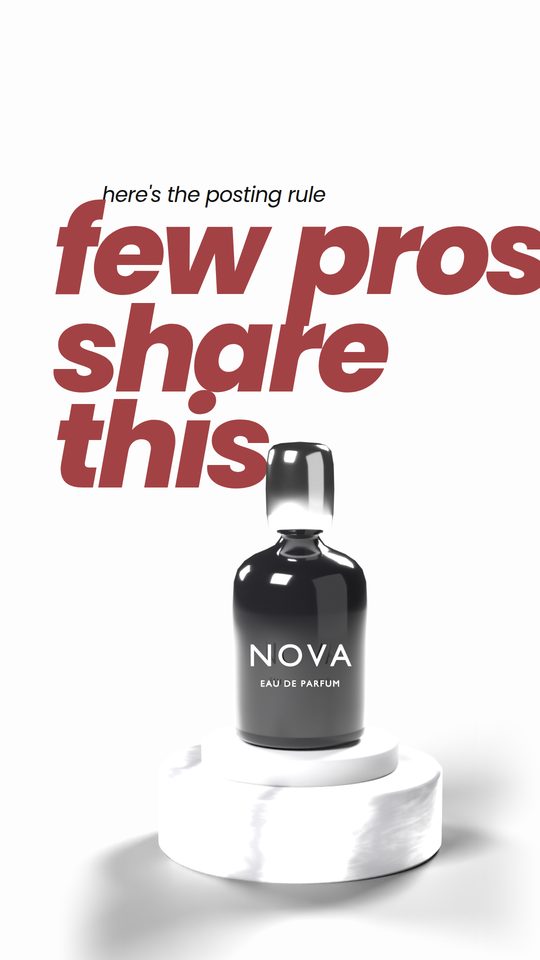
- Product promo. A product cutout with moving type, price and call to action.
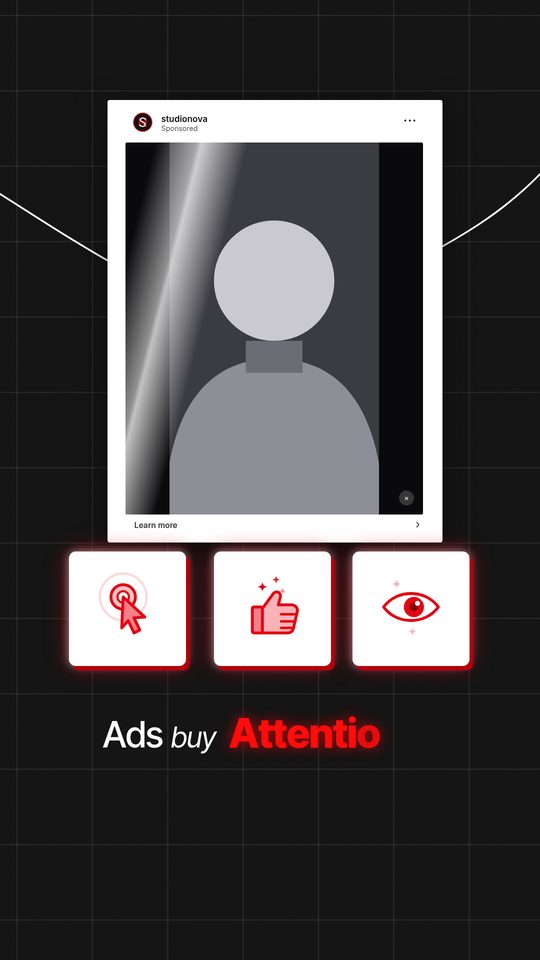
- Social ad. Any of the above cut to the platform's spec. Our video ads cluster covers the platforms one by one.
What are motion graphics good at, and where do they fall short?
Motion graphics are good at clarity, speed, consistency and silence, and weak at trust, emotion and proof of reality. Each of those has a commercial reason behind it.
What are they good at?
Clarity. You can show things that cannot be filmed: how a service works, what a number means, where money goes. Moving diagrams guide the eye in the order you choose.
Speed. No shoot means no crew, location, talent or weather. A designed asset can be re-versioned for a new offer by changing text and swapping a file.
Consistency. Once a client has a style, every new video can reuse it. That is why brand motion works as a system, not a one-off.
Silence. Type on screen carries the message when the sound is off. Meta says that in its own tests, campaigns using 9:16 video with audio and key messages in the safe zone got 2x higher delivery to Reels and a 34.5% lower cost per result than image ads. That result is about video format and safe-zone discipline, not motion graphics specifically, but it shows that vertical video built to the platform frame pays off.
Where do they fall short?
If a viewer needs to believe a person, see a real result or feel a place, footage usually does the job better.
- Testimonials and founders. A face and a voice carry credibility that type cannot.
- Physical products where texture matters. Food, fashion and furniture sell on how they look and move in real life.
- Anything that changes weekly with no template. Custom motion for every post gets expensive fast. It needs a reusable system.
- Long explanations with no visual idea. Moving text over a narrator for four minutes is a slideshow with sound.
Static images also win in plenty of cases. A clear offer on a clean still, placed in the right feed, often does the job without a production budget. Use motion when movement adds meaning, not because video gets more reach.
Does this project need motion graphics?
Use motion graphics when you need to explain, announce or brand something with no footage, and use something else when the goal is trust or a physical feel. The table below gives a recommended format by goal, channel and buying model. It is judgement from production experience, not survey data, so treat it as a starting point for the conversation with your client.
| Goal | Channel | Lowest-cost buying model that works | Recommended format |
|---|---|---|---|
| Announce a sale or launch | Instagram Reels, TikTok, Stories | Template-based service or subscription | Motion graphics (type plus product cutout) |
| Announce a sale or launch | Email, website banner | Any | Static image, or a short GIF if the offer is time-limited |
| Explain how a service works | Website, YouTube, LinkedIn | Studio or senior freelancer | Motion graphics explainer |
| Explain one tip or feature | Reels, TikTok, Shorts | Template-based service | Motion graphics, 15 to 25 seconds |
| Build trust in a person or business | Website, LinkedIn, ads | Freelancer or studio | Live action; add motion graphics for lower thirds and logo |
| Show a physical product's quality | Ads, product pages | Freelancer or studio | Live action or photography; motion graphics for price and callouts |
| Show data or results | LinkedIn, reports, pitch decks | Freelancer | Motion graphics (animated chart), or a static chart if the numbers are simple |
| Brand a client's video library | All channels | Template-based service or subscription | Logo sting and a reusable title style |
| Retarget warm audiences | Meta, YouTube | Subscription or template-based service | Motion graphics variants of one message, or live action cut-downs |
| Retention or onboarding | App, email, help centre | Freelancer or studio | Motion graphics or screen recording with motion overlays |
| One-off brand film | Website, events | Studio | Hybrid: live action with custom motion graphics |
| Tight deadline, no assets | Any | Template-based service | Motion graphics from a template, with the client's logo and colours |
What about hybrids?
Hybrids are the default for agency work, not the exception. A founder interview with animated lower thirds, a product shoot with a motion graphics price card and a testimonial with a logo end card are all hybrids. They keep the trust of footage and add the clarity of designed elements. When a client asks for "a video", ask whether they have footage. If they do, you may only need the motion layer on top.
How to read the table
Read it left to right. Pick the goal, then the channel, then check the buying model against your budget. If the lowest-cost model can't deliver the format, move one row down in ambition rather than stretching the budget.
Tip: If you can't say which of announce, explain, prove or brand a video is doing, don't commission it yet. A video with no job is the most common reason a client calls motion graphics "not worth it".
How long should a motion graphics video be?
Length depends on the platform and the job, and the platforms publish hard limits you should check before you plan. As of November 2026, Google lists bumper ads at 5 to 6 seconds, and LinkedIn accepts video ads from 3 seconds to 30 minutes.
Those are limits, not targets. A product tip that takes 15 seconds does not need to be 30. A useful rule when scoping: one idea per video, and cut anything the viewer would not miss. Our short-form video guide goes through length and format by platform.
How much do motion graphics cost?
Motion graphics cost anywhere from a few hundred dollars for a short logo or UI animation to thousands of dollars per finished minute for a custom studio piece. The price depends on length, style, revision rounds, rights and turnaround, and on who you buy from.
For a rough anchor, Broadcast2World puts motion graphics at $2,000 to $5,000 per minute, about $33 to $83 per second, in a guide dated August 2026. That figure is from a studio blog, so treat it as a benchmark and not a quote. Prices for short social pieces, retainers and templates sit in different bands entirely. Our breakdown of motion graphics pricing sets each band out by buying model with a source on every row.
If you want to compare what buying models actually include, our guide on freelancer vs studio vs subscription covers it from the agency side.
How are motion graphics made, and how long does it take?
Motion graphics are made in five steps: brief, script or storyboard, style frames, animation and delivery. Skipping the middle steps is what makes revisions expensive.
- Brief. Goal, audience, platform, length, brand assets.
- Script or storyboard. What is said and what is on screen, scene by scene.
- Style frames. Two or three still frames that fix colour, type and layout before anything moves.
- Animation. Building the motion in software, usually Adobe After Effects.
- Delivery. Exports in the right sizes, with captions or sound where needed.
Time varies enormously. Motion The Agency, a studio, says a simple motion graphic can take two to three working days, excluding storyboarding and scriptwriting, and that a one-minute 2D animation takes about 80 to 300 hours of work. Those figures come from a vendor and cover a range of styles, so use them to see how time scales with length, not to predict your project.
What makes motion graphics good?
Good motion graphics are readable, well-timed and consistent with the brand. Most failures come from the same few mistakes: too much on screen, moves that are too fast or too slow, and text that does not stay long enough to read.
On timing, interface research gives a useful reference. Nielsen Norman Group says most UI animations should run between 100 and 500 milliseconds, with simple feedback near 100 ms and larger changes at 200 to 300 ms. That is for interface elements, not whole videos, but it tells you how short a single move should be. A full-screen slide that takes a full second feels slow.
You do not need to be an animator to review a draft. Our motion design principles page includes a pre-approval checklist written for non-animators, and the kinetic typography guide has readability rules for text on a phone.
Can AI make motion graphics?
AI can draft parts of a motion graphics project, but it does not yet replace a person on brand fidelity, timing or typography. It is reliable for storyboards, copy, concept art and some code-driven animation, and unreliable for exact logos, on-brand type and tight timing.
Generated video clips are short. Google's documentation for Veo 3.1 lists clip durations of 4, 6 or 8 seconds, with 1080p available only on 8-second clips. That suits cutaways and backgrounds more than a designed 20-second brand piece. There is also a rights question: the U.S. Copyright Office concluded in its Part 2 report that prompts alone do not provide sufficient control to count as human authorship.
We go through each production stage, with what AI does well and where you still need a person, in can AI make motion graphics.
Who should make your motion graphics?
The right supplier depends on volume and customisation. A freelancer suits one-off custom work, a studio suits brand-defining projects, a subscription suits steady volume, and a template-based service suits fast, repeatable social pieces.
For an agency reselling video, the other question is who sees the work. A white-label arrangement means the supplier's name never reaches the client. We explain that model in what white-label video is, and how the wider agency angle works in our agency video guide. If you want the Vizualy version of that, it is on the white-label motion graphics page.
What should a motion graphics brief include?
A brief that a supplier can price in one reply names the job, the platform, the exact length, the sizes, the assets you will supply and the number of revision rounds. Leave any of those out and the quote will carry a margin for the unknown.
Add two style references you like and one you dislike. Say who writes the copy and who signs off. If the client has brand guidelines, send them with the first message, not after the first draft. Our video ads guide lists the platform specs to put in that brief.
The short version
- Motion graphics are designed, animated video: type, shapes, logos and data in motion. They are not footage.
- Give each video one job: announce, explain, prove or brand. If it has none, skip it.
- Use the decision table above to choose between static, motion graphics, live action or a hybrid before you buy.
- Expect price to follow length, style and revisions. Budget by buying model, not by a single average.
- Treat AI as a drafting tool. A person still decides brand, timing and type.
- Next step: read the cost breakdown, then brief your supplier.
AI-powered super editors
Branded motion videos
$149per video
or $599 a month for 10
AI builds it fast; human editors own the brand and finish. White-label, full rights, every format.
Browse the AI video libraryFrequently asked questions
What does motion graphics mean in simple terms?
Motion graphics means graphic design that moves. A logo that builds itself, a chart that draws as the narrator speaks and a headline that slides in are all motion graphics. The term usually excludes character-driven storytelling and live-action footage, though many videos combine all three.
Is a motion graphics video the same as an explainer video?
Not quite. An explainer video is defined by its job, which is to explain a product or idea. Motion graphics is a technique. Many explainers are built from motion graphics, but others use live action, screen recordings or character animation, and motion graphics also appear in ads, intros and social posts.
Do I need special software to commission motion graphics?
No. You only need a clear brief, your brand assets and a person or service that works in the software. Professionals typically build motion graphics in Adobe After Effects, often with Illustrator or Photoshop files as the starting point, but you never touch those tools as the buyer.
What file do I get back from a motion graphics project?
For social, ads and websites you normally receive MP4 video files in the aspect ratios you ordered. Other formats exist, such as WebM with transparency, GIF for email, or Lottie files for apps, but ask for them in the brief because each is a separate export.
Can small brands use motion graphics, or is it only for big budgets?
Small brands use them constantly, because motion graphics need no shoot, no actors and no location. Template-based services and subscriptions exist for short social pieces. The cost climbs when you ask for custom illustration, long runtimes or many revision rounds, so scope the piece to its job.
Sources
- What is motion graphics? Definition and examples · StudioBinder
- How Much Does Animation Cost? A 2D & 3D Pricing Guide · Broadcast2World
- About video ad formats · Google Ads Help
- Video ads specifications · LinkedIn Marketing Solutions
- Instagram and Facebook Reels ads · Meta
- How Much Does 2D Animation Cost and How Long Does It Take? · Motion The Agency
- Animation duration in UX · Nielsen Norman Group
- Generate videos with Veo in the Gemini API · Google AI for Developers
- Copyright and Artificial Intelligence, Part 2: Copyrightability · U.S. Copyright Office
Keep reading